 Pet Tails
How can pet apparel brands cut returns with sizing content and creative?
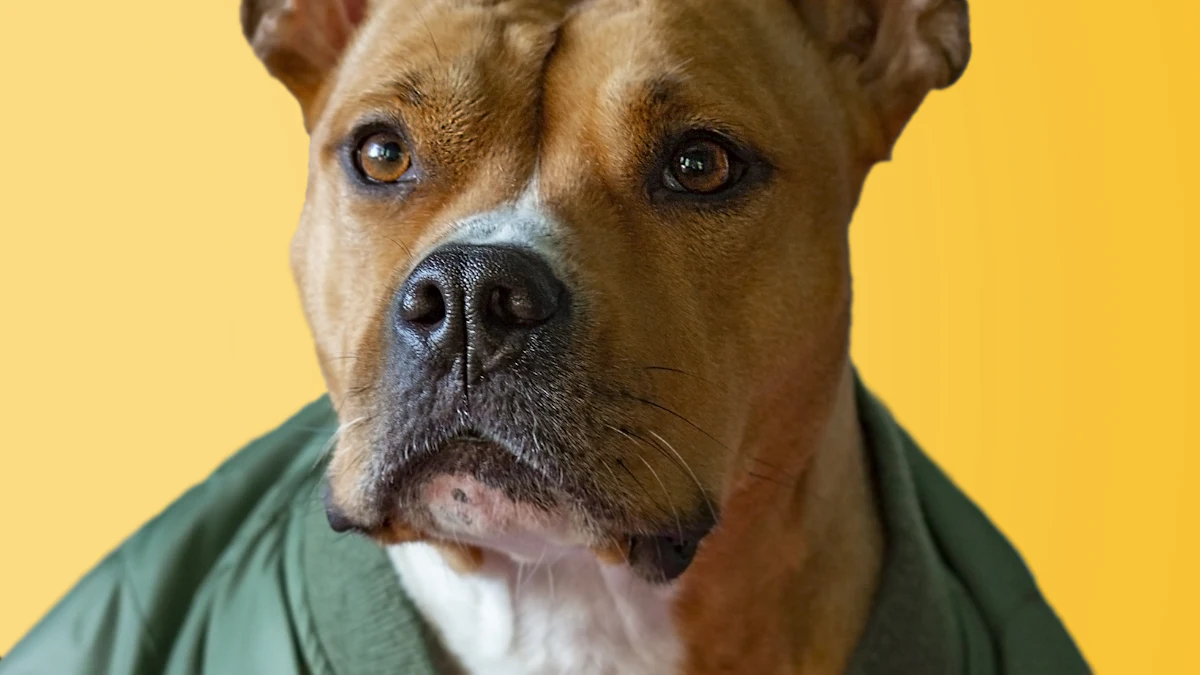
Make choosing a size feel easy and certain. Size by body measurements, not breed alone. Show how to measure in a short video. Add fit notes and "between sizes" advice on every product page. In ads, name the pet, their measurements and the size they wear. Then collect return reasons, so you can see which products and sizes still miss.
Key takeaways
- Size charts based on chest girth, neck and back length beat breed-only charts, because dogs of one breed vary a lot.
- A 30 to 60 second "how to measure" video answers the question most shoppers have before they buy.
- Creative that states the pet's measurements and the size they wear teaches sizing while it sells.
- Collect a return reason on every return. Without it, you cannot tell a sizing problem from a quality problem.
- Put size in your Shopping feed as its own attribute with one item per size, so shoppers land on the right variant.
Why do pet apparel returns happen?
A pet parent buying a harness or coat online is guessing. They cannot try it on the dog, and dogs do not hold still for a tape measure. When the guess is wrong, the item comes back, and you pay for shipping both ways plus handling.
The reasons tend to fall into a few groups: wrong size, a fit issue the size chart did not explain (like a deep chest), the pet refusing to wear it, or product quality. Sizing content fixes the first two. Good product and honest creative help with the last two.
Before you change anything, find out which reason is driving your returns. If you run Shopify, self-serve returns let customers request returns from their order status page, and you can customise the form to collect return reasons and product condition. That one field turns returns from a cost into a data source.
What makes a good pet apparel size guide?
The best size guides measure the pet's body, not the breed name. Two dogs of the same breed can need different sizes. A guide should cover the measurements that decide fit for that product.
| Product | Main measurement | Also include |
|---|---|---|
| Harness | Chest girth (widest part of the ribcage) | Neck girth, weight range |
| Coat or jacket | Back length (base of neck to base of tail) | Chest girth, neck girth |
| Collar | Neck girth | Collar width advice by size of dog |
| Boots | Paw width (standing, with weight on the paw) | Paw length |
| Sweater or hoodie | Chest girth and back length | Notes for deep-chested breeds |
Show measurements in both inches and centimetres, since you sell to the USA and Canada. Add a short line for each size like "Most dogs in this size weigh X to Y" only if your own fit data backs it up.
What sizing content should be on every product page?
Use this checklist on each apparel and gear page.
- Size chart near the size picker, not hidden in a footer link.
- A how-to-measure video of 30 to 60 seconds showing a real dog being measured with a soft tape.
- Between sizes advice. Tell people plainly which way to go, for example "size up for thick coats" or "size down for narrow chests", based on how your product is cut.
- Fit notes by body type. Deep chests, long backs and short legs change fit. Name the body types your cut suits and the ones it does not.
- Photos of the item on several dogs, each captioned with the dog's measurements and the size worn.
- Reviews that show size. If your review app supports it, ask reviewers for their pet's weight and the size they bought.
- A clear exchange path. Make swapping sizes easier than returning for a refund, so a sizing miss becomes an exchange, not a lost sale.
How can ad creative reduce returns?
Most apparel ads show a cute dog in the product and stop there. That sells the look but teaches nothing about size. A small change helps: put the fit facts on screen.
- On-screen fit cards. "Milo, 18 inch chest, wearing size M." One line, every time.
- Several bodies, one product. Show the same harness on a small, medium and large dog in one video. Shoppers see their own dog in one of them.
- The measuring moment. Use 5 seconds of the how-to-measure clip as a hook or ending: "Measure here before you order."
- Honest movement. Show the dog walking, sitting and lying down in the item, so people see how it moves, not just how it poses.
When you brief creators for this, add the pet's measurements and size to the brief as must-show items. Our UGC creative brief guide has a full template.
How does the Shopping feed help with sizing?
If a shopper clicks a Shopping ad for a medium coat, they should land on the medium, not a default size. Google's size attribute guidance says to submit size for all products that vary by size, to give each size its own item, and to use the same item group ID across variants. It also says not to list several sizes in one value.
Google's title guidance suggests adding variant details like size or colour to the title. A title like "Waterproof Dog Raincoat, Reflective, Medium, Yellow" tells the shopper exactly what they are clicking on. Dog apparel has its own place in Google's product taxonomy: Dog Apparel, ID 5004. Our Shopping feed guide for pet products covers the rest of the feed.
How do you know if it is working?
Track a few numbers each month, per product and per size:
- Return rate (returned units divided by sold units).
- Share of returns with the reason "wrong size" or "did not fit".
- Exchange rate versus refund rate.
- Size chart views or clicks, if your theme can track them.
Change one thing at a time, for example add the measuring video to your top harness first, and compare the next month with the last. If one size keeps coming back, the problem may be the pattern, not the content. Feed that back to your product team.
If you want help with sizing content, product page creative and ads that teach fit, see our creative and video services.
Frequently asked questions
What is the most important measurement for a dog harness?
Chest girth, measured around the widest part of the ribcage. Neck girth and weight help confirm the size.
Should pet apparel size charts use breed names?
Breed can be a helpful hint, but size by measurement. Dogs of the same breed vary in chest depth, length and weight.
How do I find out why pet apparel is being returned?
Collect a return reason on every return. On Shopify, the self-serve returns form can be customised to ask for return reasons and product condition.
How can video ads help with sizing?
Show the pet's measurements and size on screen, show the same item on dogs of different sizes, and include a short clip on how to measure.
Should I list sizes separately in my Google Shopping feed?
Yes. Google asks for each size as its own item with the size attribute filled, and a shared item group ID across the variants.